BESS 2026: from research and innovation to real-world impact


Researchers and businesses each bring their own expertise, knowledge, technologies and ideas. Combining these perspectives together earlier, and connecting them with real-world challenges and market needs, can spark new collaborations and help promising solutions find their way into practice more quickly.
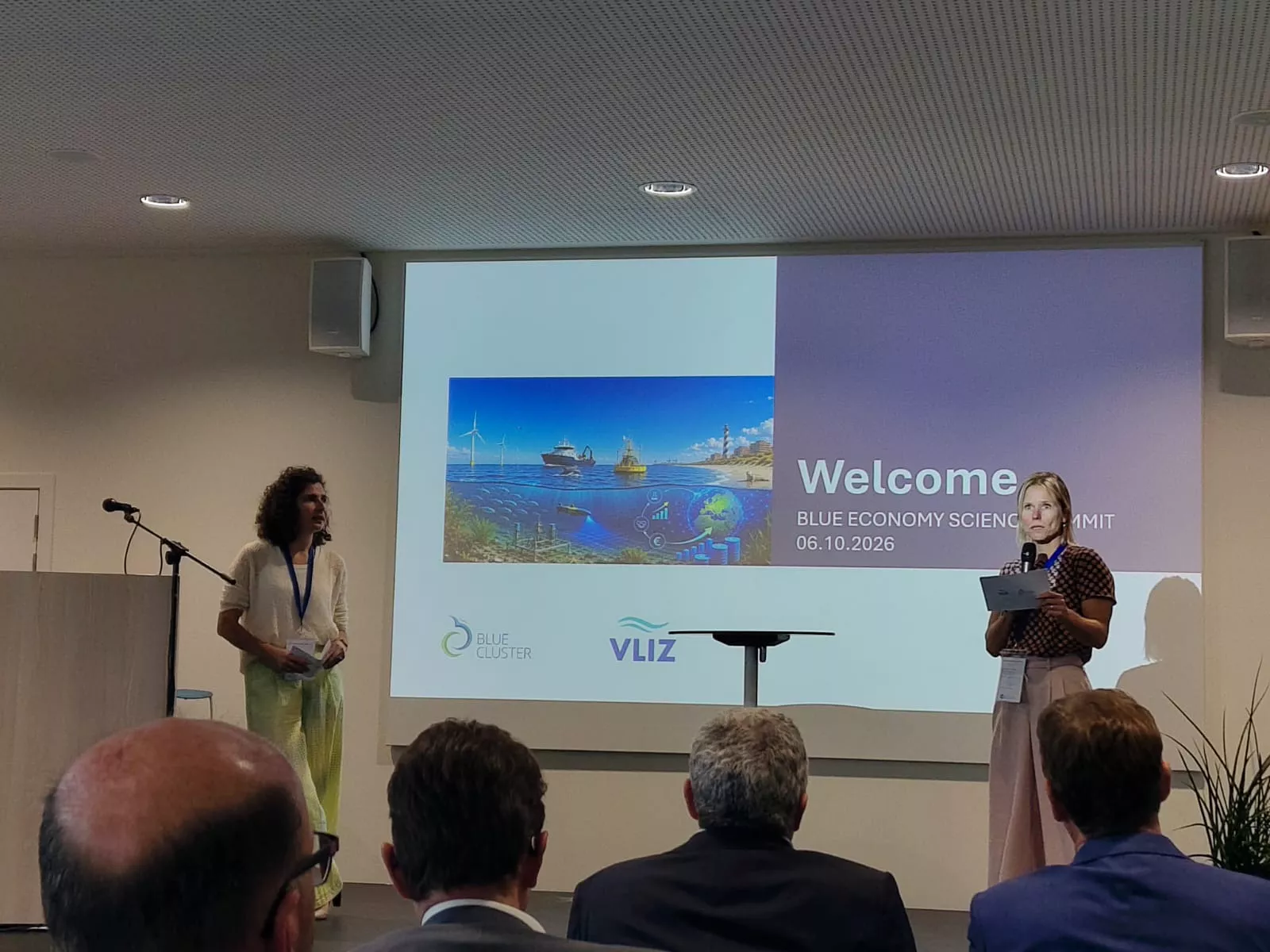
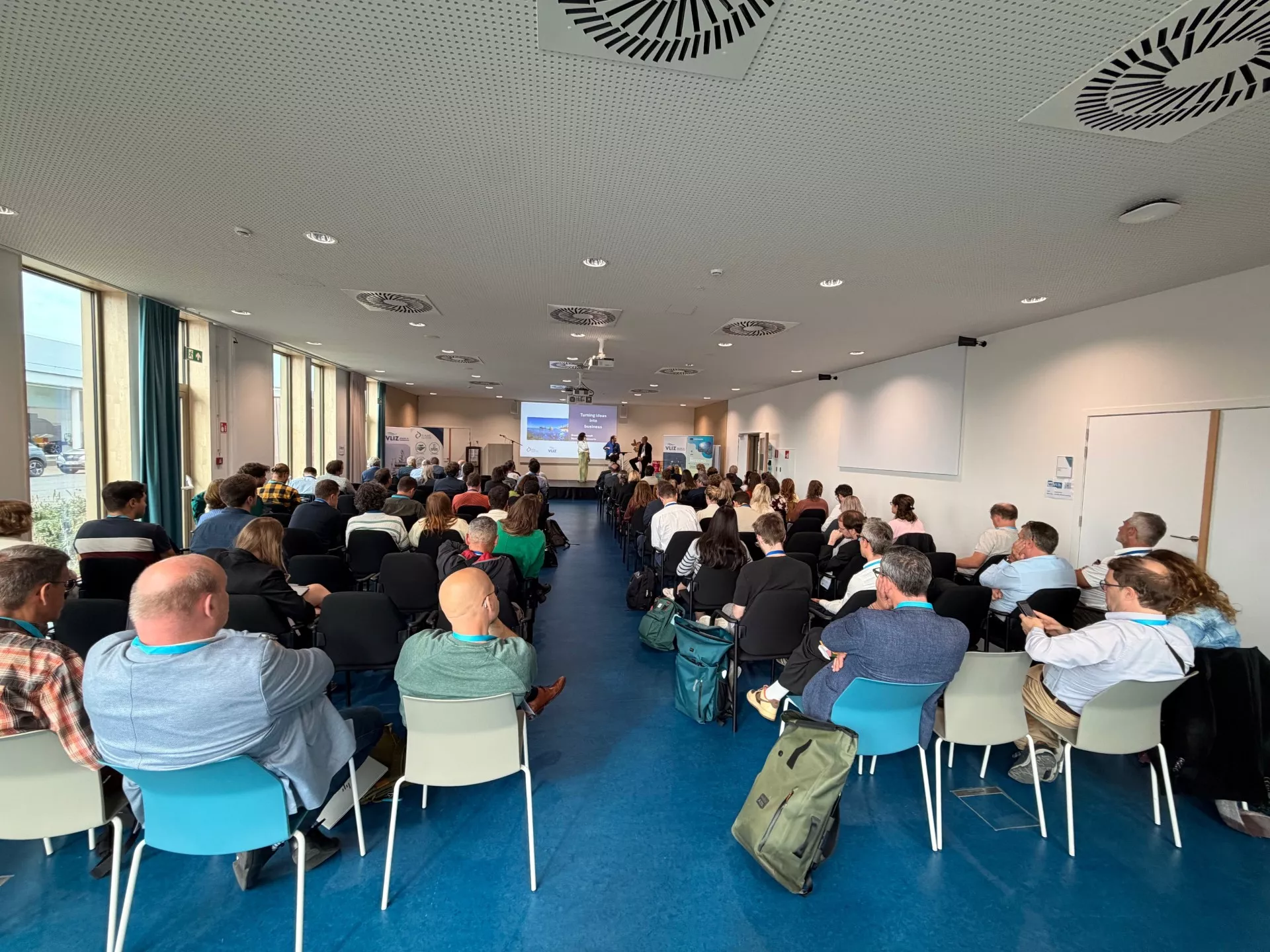
The Blue Economy Science Summit (BESS) aims to do exactly that by encouraging exchange between research and industry and exploring what is needed to take knowledge further. This edition brought this to life through insights and practical experience from a range of perspectives, with a particular focus on Blue Carbon, digitalisation and Floating Offshore Wind.
Valorisation does not start when research ends
A strong research result or promising technology is only the beginning. To turn knowledge into value for the market and society, market needs, entrepreneurship, funding and collaboration also need to be considered at an early stage.
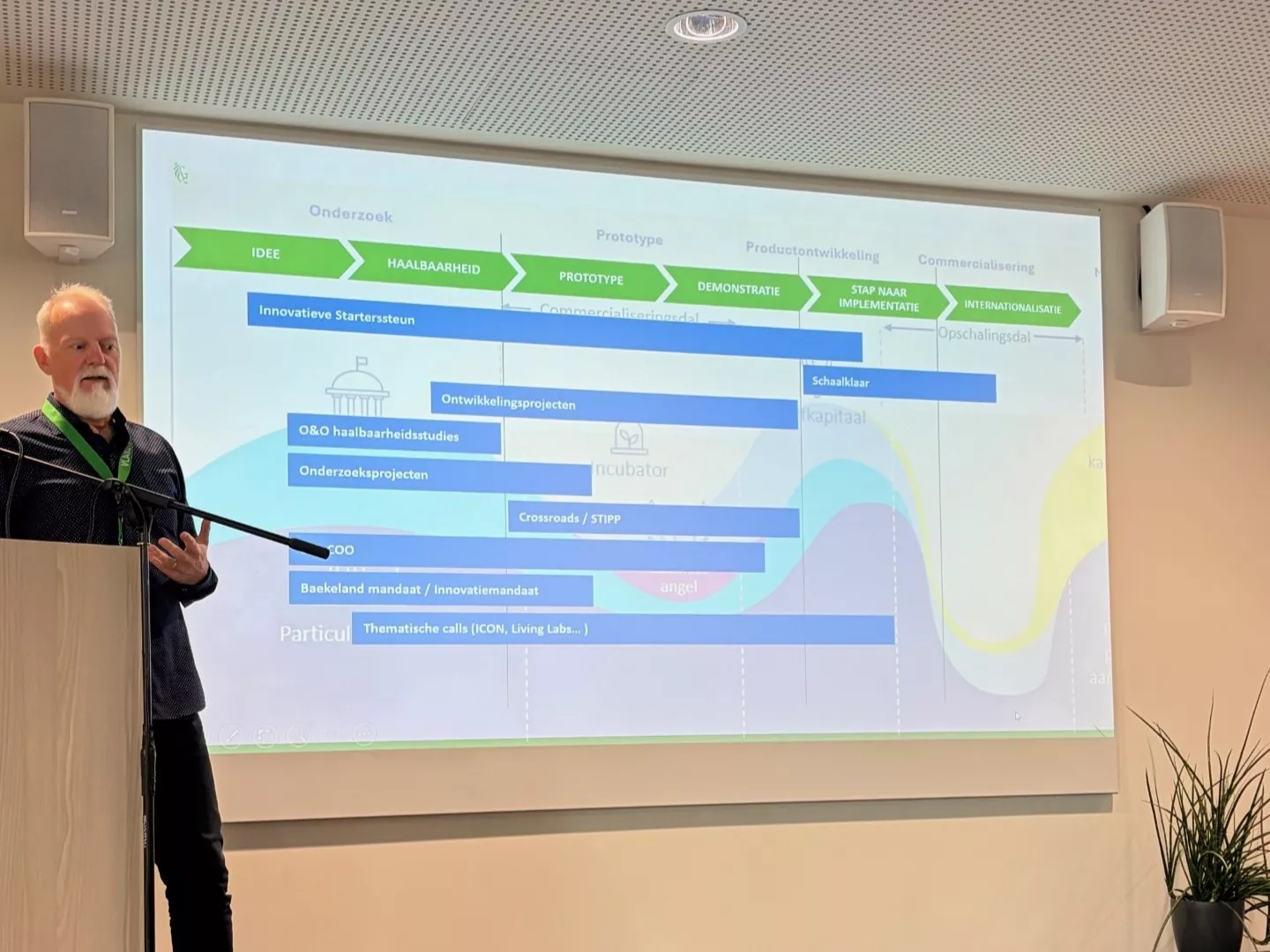
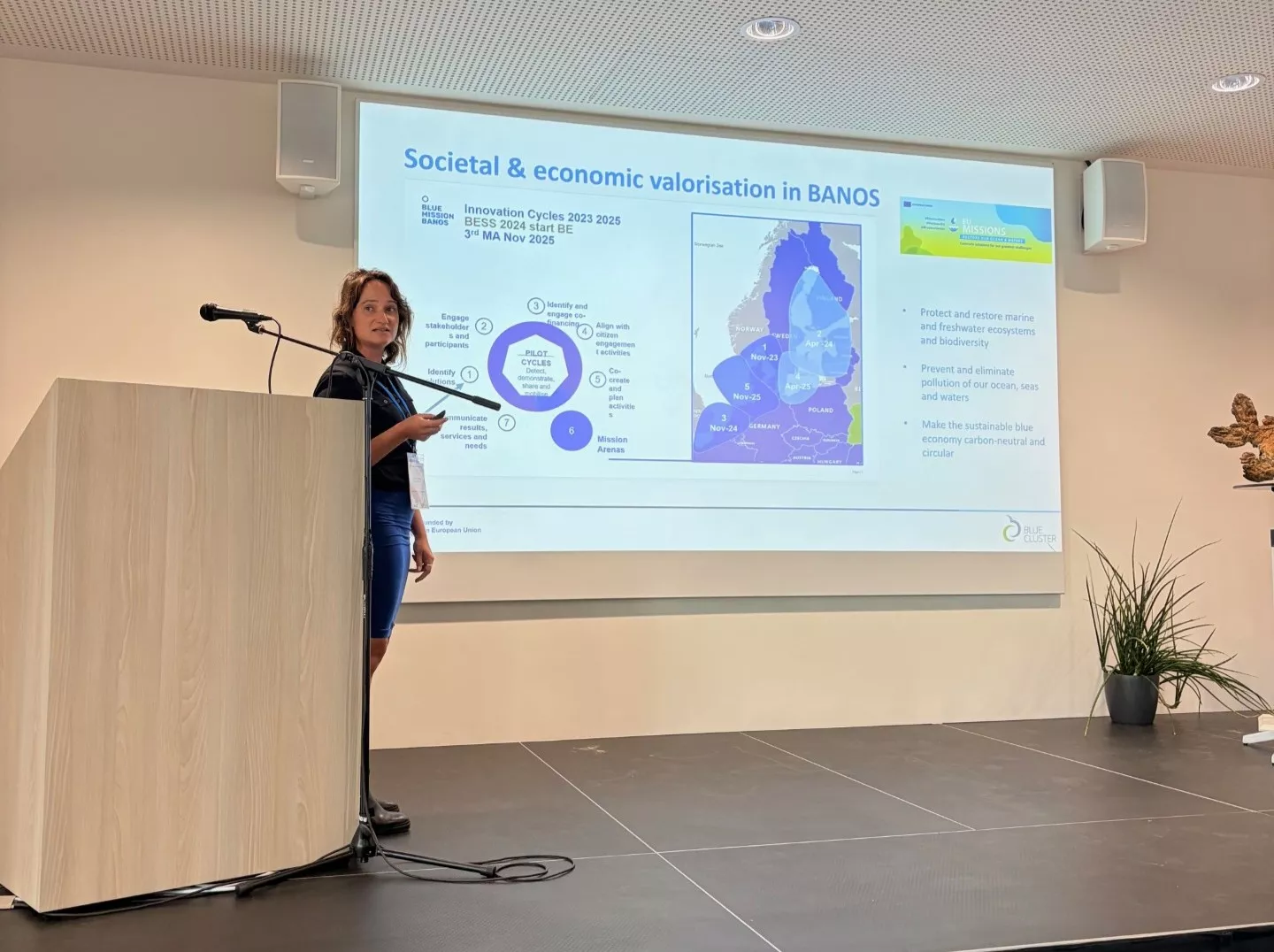
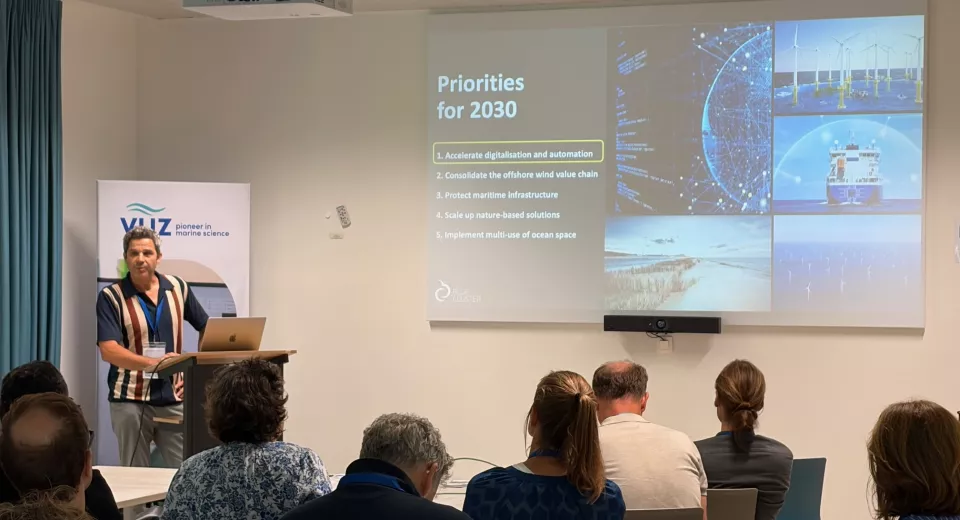
This message ran throughout the plenary programme. Koen Verhaeghe of VLAIO stressed that valorisation should not be seen as the final step in a research project. Potential applications and users should already be considered while the research is still under way.
Evy De Bruyker linked this to incubation and entrepreneurship through Marifish.Inc. This is not only about infrastructure and support, but also about bringing the right people together. Researchers do not necessarily have to become entrepreneurs themselves. Working with entrepreneurs or existing businesses can be just as effective in bringing research to market.
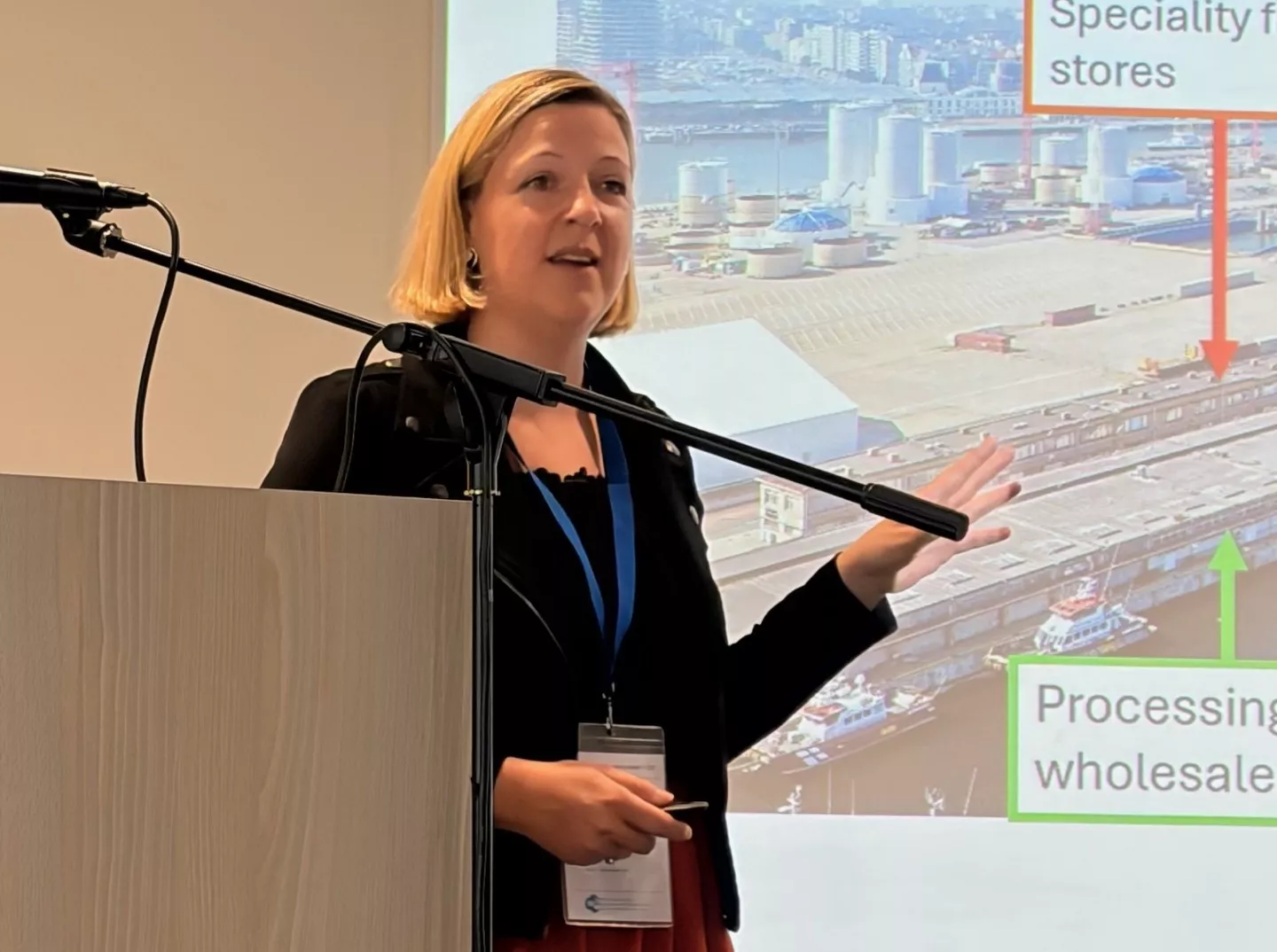
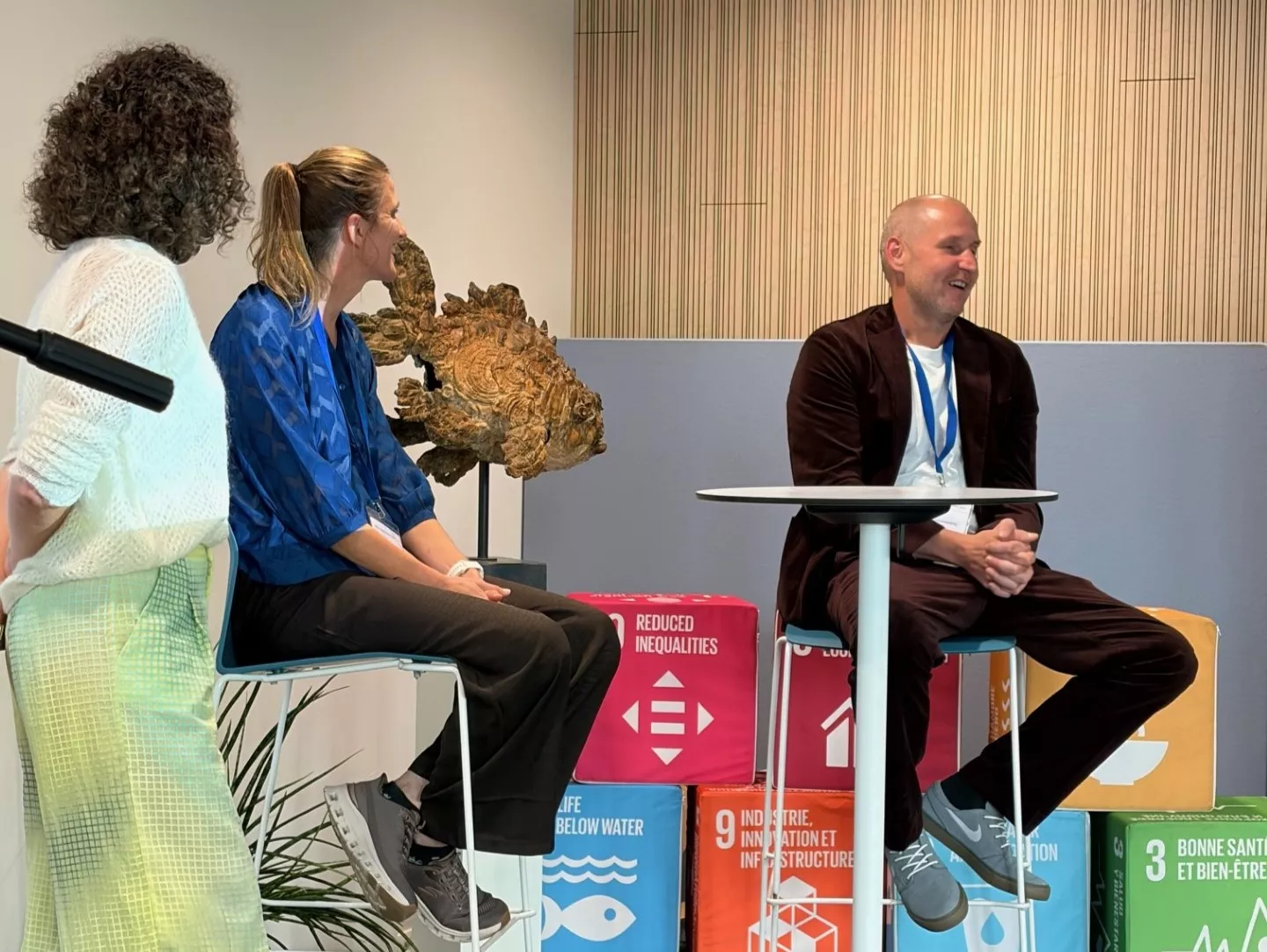
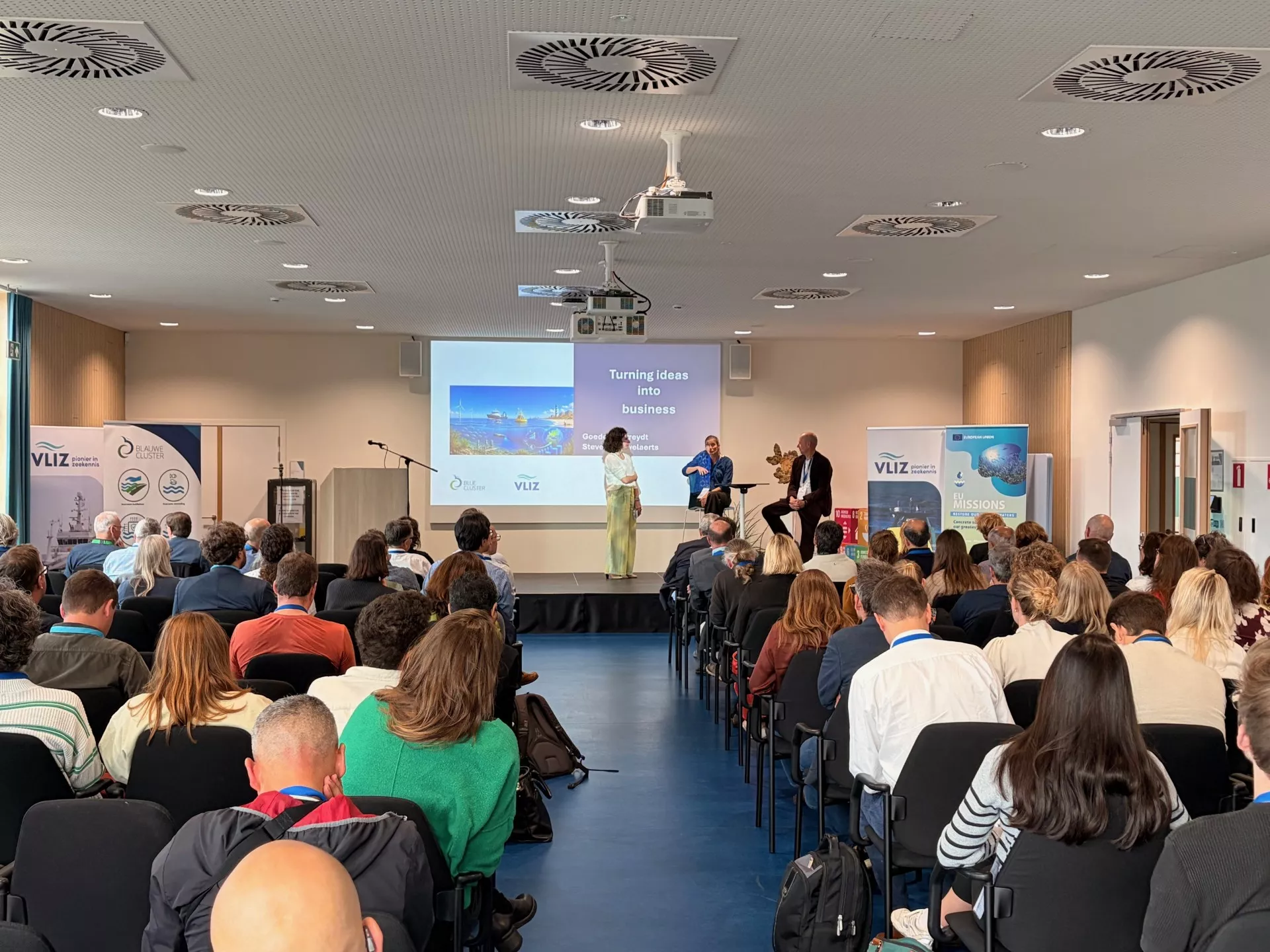
The experiences of Goedele Verreydt with iFLUX and Steven Nauwelaerts also showed that there is no single route to valorisation. Research may lead to the creation of a new company, but economic value can equally emerge through collaboration, further technology development or knowledge transfer.
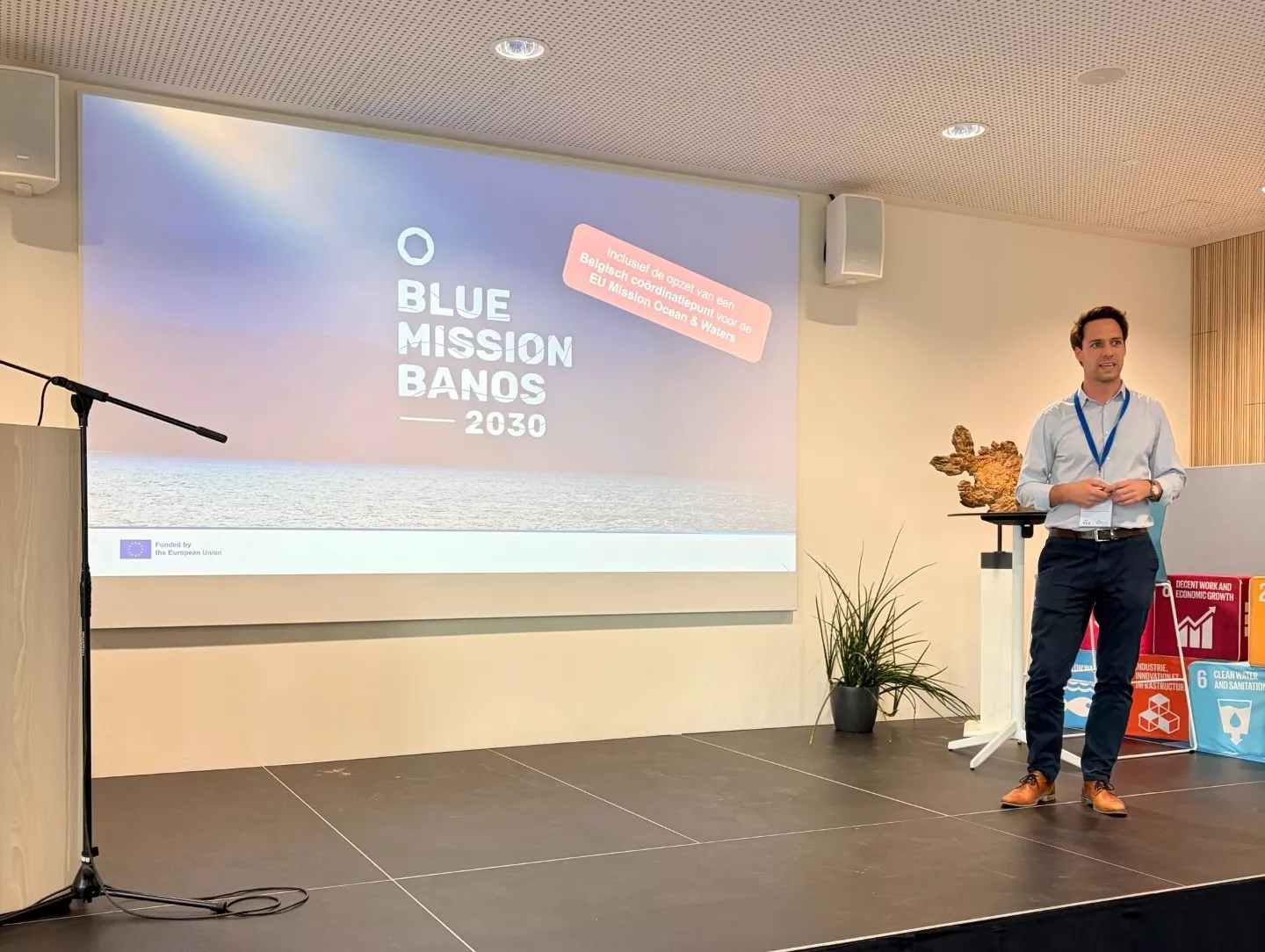
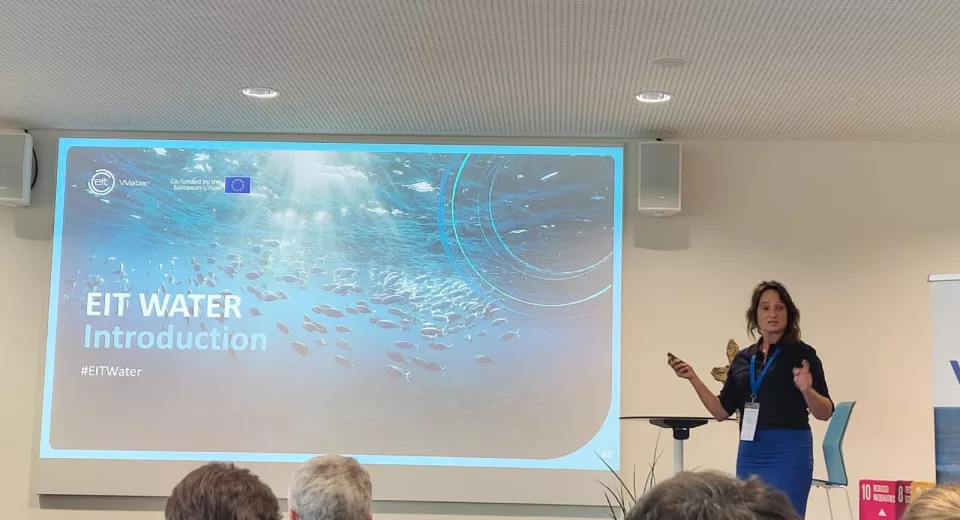
New initiatives such as EIT Water and the Belgian Mission Ocean Hub can help connect research institutions, businesses and other organisations and create new opportunities for collaboration.
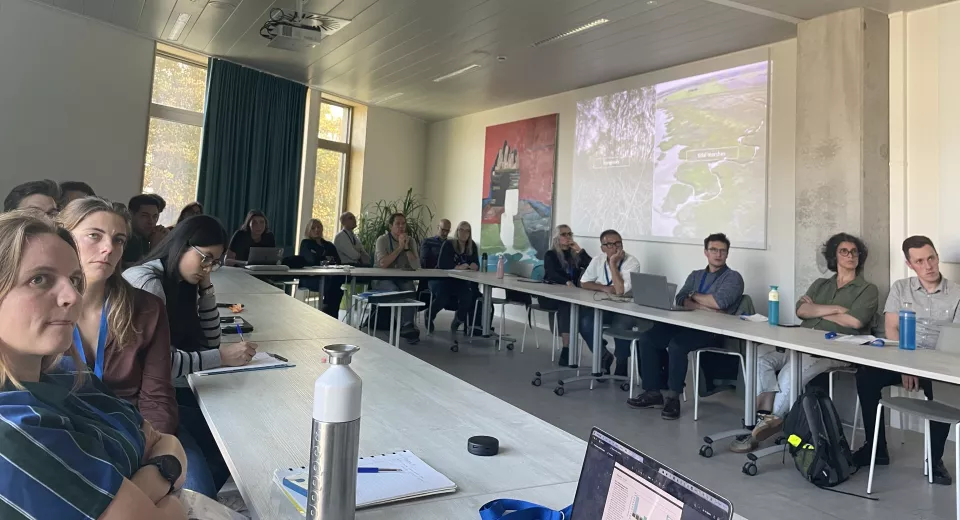
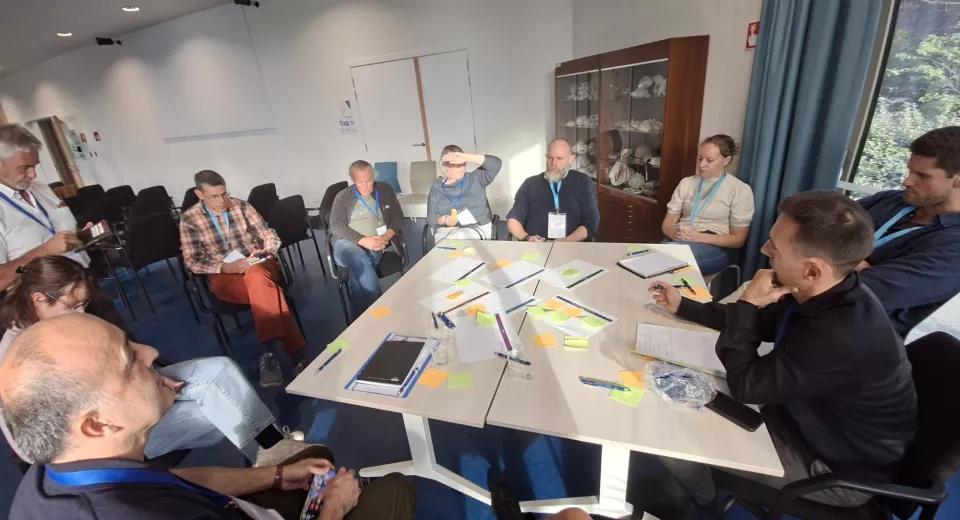
Following the plenary programme, participants explored Blue Carbon, digitalisation and Floating Offshore Wind in greater depth during three parallel breakout sessions. Each theme is at a different stage of development, but the same question was central to all three: what is needed to turn knowledge and technology into practical applications and real-world impact?
Blue Carbon: from knowledge to application
Blue Carbon refers to CO₂ captured and stored by marine and coastal ecosystems. Research is helping us better understand and measure these natural processes and explore how they can be put to use. The breakout session focused primarily on the next step: how can this growing body of knowledge be translated into practical applications?
The discussion covered better monitoring and measurement, ways of increasing the amount of CO₂ stored in the ocean, and how activities at sea may affect that storage capacity. What knowledge is still missing? What expertise is needed? Where can businesses play a role? And which demonstrations or applications could help take the research further?
It became clear that the challenge extends beyond research alone. Reliable measurement and monitoring are important, but potential applications, scaling up, societal value and economic viability also need to be considered. This requires the early involvement of businesses, site managers, public authorities and other stakeholders that can help put these ideas into practice.
Digitalisation: from data to scalable applications
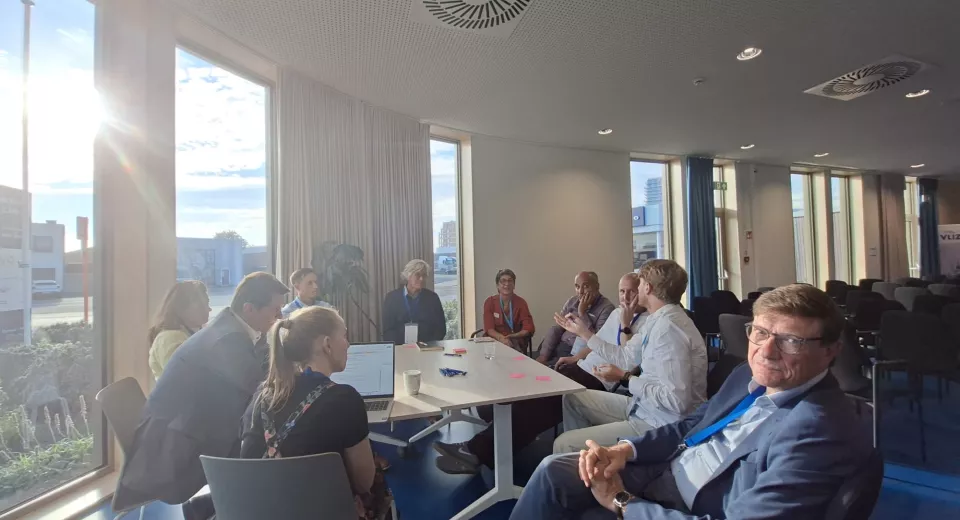
The breakout session on digitalisation looked at practical applications from Ghent University, Amplifino and Seafar. Although their cases differed considerably, they faced a similar challenge: how do you move from a local or project-specific application to a scalable solution with a sustainable market?
One key conclusion was that scalability is best considered from the outset. An application that works well in one particular setting or for a specific user may still require significant further development and funding before it can be deployed elsewhere.
The availability of open data was another topic of discussion. Open data can accelerate the development of new applications, but ‘open’ does not automatically mean ‘ready to use’. Data need to be findable, reliable and secure, particularly when used for critical applications.
Perhaps the most important lesson from the session was to start not with the data, but with the problem it can solve. Ultimately, the value of a digital application lies in what it delivers for a user or customer, whether that is lower costs, reduced risk or a new service.
Floating Offshore Wind: from demonstration to industry
Floating offshore wind is already one step further. Demonstrators and pilot projects have shown that the technology is viable. The next challenge is to move from individual applications to wind farms at commercial scale.
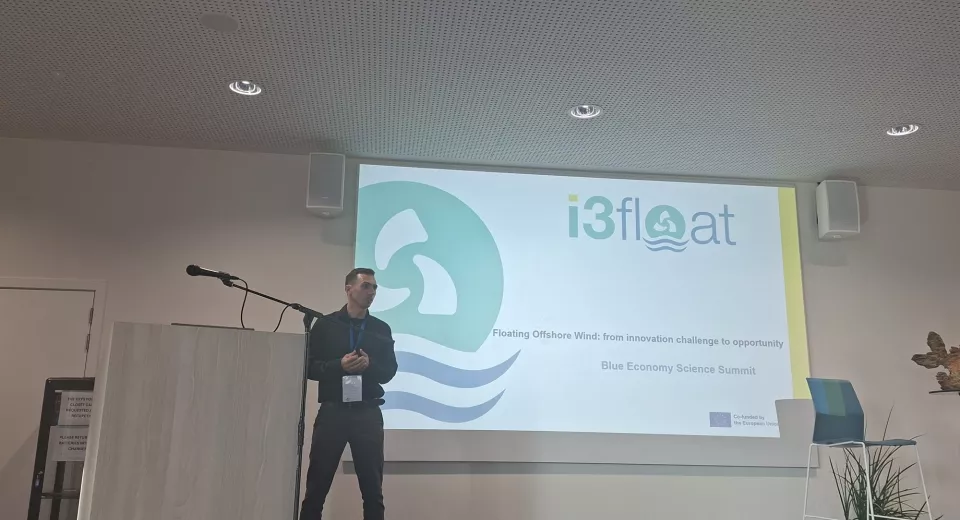
The break-out session also served as the second Flemish regional workshop within I3FLOAT. The Strategic Innovation Agenda, the first Open Call and insights from MULTI.engineering provided the starting point for a broader discussion on how the sector can develop further.
It became clear that scaling up is about much more than technology alone. Standardisation, serial production, assembly, logistics, installation and maintenance all have an important part to play. There are also very practical considerations, including the availability of port space, storage facilities and access to suitable transport and lifting equipment.
For Flanders, the main opportunities lie in the international market. Belgium has strong expertise in areas such as engineering, maritime activities, materials, testing and validation, monitoring, sensors, data and digitalisation. This knowledge and technology can be deployed internationally, even without a large domestic market for floating wind off the Belgian coast.
Three themes, one common thread
Despite the considerable differences between Blue Carbon, digitalisation and floating offshore wind, the three break-out sessions revealed a clear common thread: strong research results or good technology do not automatically translate into impact. It is important to consider early on who could use them, what needs they address and what is required to develop and scale up a solution.
That means looking beyond technology to the market, financing, infrastructure and the right partners. BESS aims to bring these different perspectives together and connect researchers, companies and entrepreneurs more closely. After all, valorisation does not start when a research project ends. It starts much earlier, when knowledge and technology are linked to real needs and the right people come together.
About BESS
The Blue Economy Science Summit (BESS) is a recurring initiative by the Flanders Marine Institute (VLIZ) and Blue Cluster, bringing together a broad range of researchers, companies and entrepreneurs to explore current challenges in the blue economy. The event aims to strengthen exchange between research and industry and accelerate the journey from knowledge and research to practical applications.